Introduction
Reading Brood Patterns: What the Brood Nest is Telling You.
One of the most powerful skills a beekeeper can develop is the ability to read brood patterns. Brood patterns are not just about the queen—they reflect colony health, nutrition, population balance, season, and stress. Learning to interpret them allows you to diagnose problems early and make better management decisions.
What is a brood pattern?
A brood pattern is the arrangement and density of eggs, larvae, and capped brood on the comb. When viewed together, these stages show how consistently the queen is laying and how well the colony is supporting brood rearing.
A “good” pattern is not about perfection—it’s about context.
The Ideal Brood Pattern
A strong, healthy colony typically shows:
Large areas of solid, contiguous capped brood
Few empty cells within brood frames
Eggs, larvae, and capped brood present together (normal brood cycle)
Brood centered in the hive with food around the edges
This pattern indicates:
A productive queen
Adequate nutrition (nectar and pollen)
Proper temperature regulation
Balanced worker population
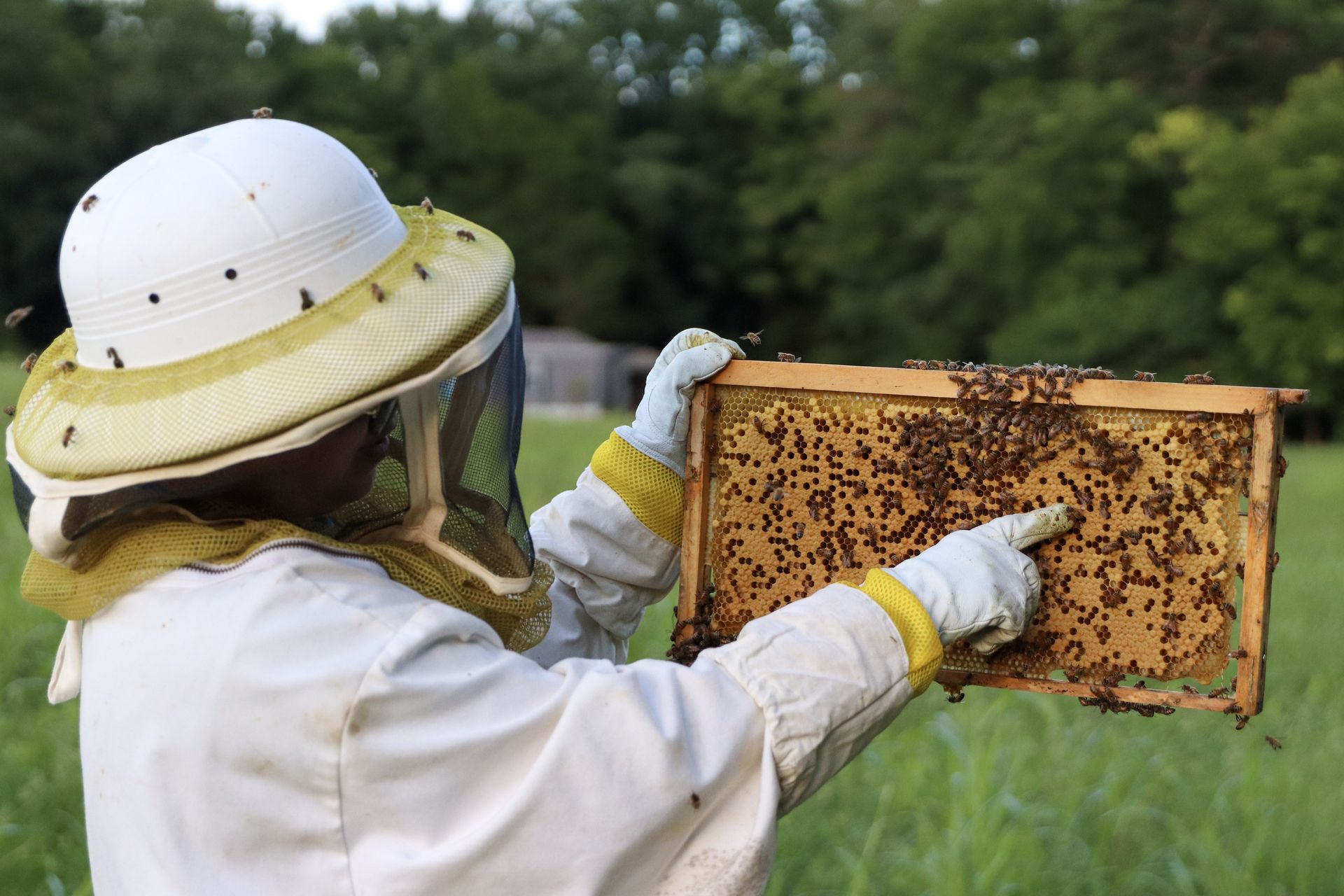
Spotty or Scattered Brood Patterns
A spotty brood pattern shows capped cells scattered with empty cells between them.
This does not automatically mean a bad queen.
Common causes include:
Early spring buildup (queen laying faster than workers can care for brood)
Recent brood break (swarm, split, requeening)
Cold snaps causing brood removal
Varroa pressure leading to hygienic behavior
Nutrition stress, especially pollen shortages
Key question to ask:
Are the empty cells random, or are they associated with dead/removed brood?
Patterns by Brood Stage (Read Them Together)
Looking at only capped brood can be misleading. Always evaluate all stages:
Eggs present → Queen was laying in the last 1–3 days
Larvae present → Workers are actively feeding brood
Capped brood present → Colony health 9–21 days ago
If you see:
Larvae but no eggs → Queen recently slowed or paused
Eggs but little capped brood → New or recovering queen
Only capped brood → Brood gap occurred 1–2 weeks ago
Brood patterns are a timeline, not a snapshot.
Drone Brood and Its Placement
Drone brood is normally:
Found along frame edges
In larger, domed cells
Increased drone brood can indicate:
Seasonal reproductive buildup
Strong colony preparing for swarming
A queen nearing the end of her productive life (if excessive)
Drone brood scattered throughout worker comb can be a red flag.
When Brood Patterns Signal a Queen Problem
Brood patterns may point to queen issues when you see:
Multiple eggs per cell (not centered)
Eggs on cell walls
Patchy brood with no clear environmental cause
Declining brood area over time
These patterns suggest:
Failing queen
Poor mating
Laying workers (in queenless colonies)
Trend matters more than a single inspection.
Seasonal Context Matters
Brood patterns naturally change throughout the year:
Early spring: Patchy, expanding brood is normal
Nectar flow: Dense, expanding brood nests
Late summer: Reduced brood area, tighter patterns
Fall: Smaller brood nests, heavier food storage
Judging brood without considering season leads to unnecessary intervention.
Key Takeaway for Beekeepers
Brood patterns tell a story—but only if you read the whole page, not a single sentence.
A solid brood pattern is a good sign, but a changing or imperfect pattern doesn’t automatically mean something is wrong. Strong beekeepers learn to interpret brood patterns in context, combining biology, season, and colony behavior before making decisions.
Bees are unique among insects.
They are considered eusocial, which is the highest level of social organization in the animal kingdom. Eusocial species exhibit three key traits: cooperative brood care, overlapping generations, and a division of labor, often including reproductive and non-reproductive castes.
This form of social structure is not common and found only in ants, termites, and some species of bees and wasps among insects.
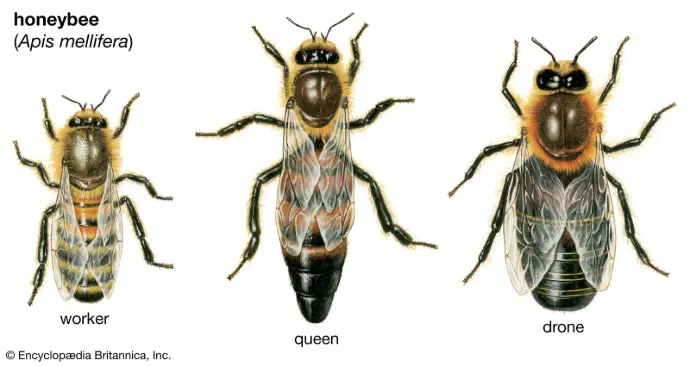
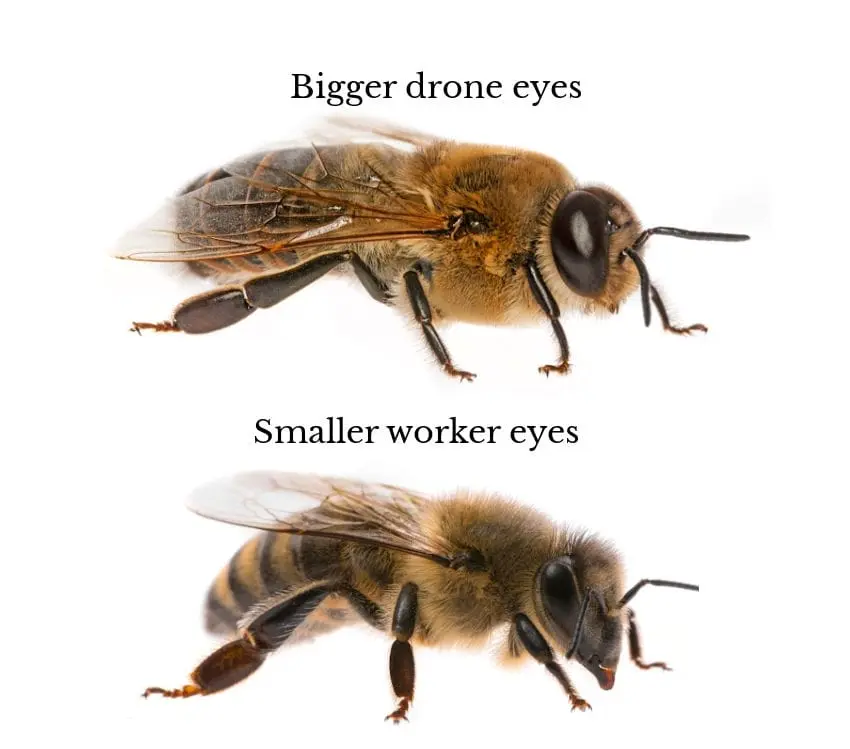
A bee colony is made up of three types of bees:
(1) the queen, (2)workers, and (3) drones.
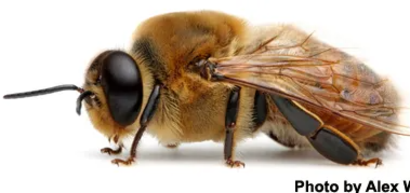
Drones
Drone bees are males whose primary role is to mate with a queen.

Workers
Also female, workers handle nearly every other task—from foraging and feeding the young to cleaning and defending the hive.
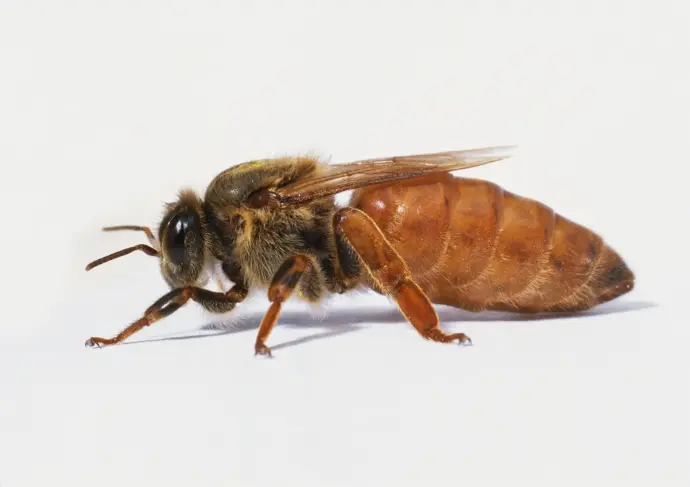
The Queen
The queen bee is the only female responsible for laying eggs.
A healthy hive can contain anywhere from 10,000 to 80,000 bees, depending on the season and colony strength.
There are no comments for now.
to be the first to leave a comment.